



Environmental Health
Program Overview
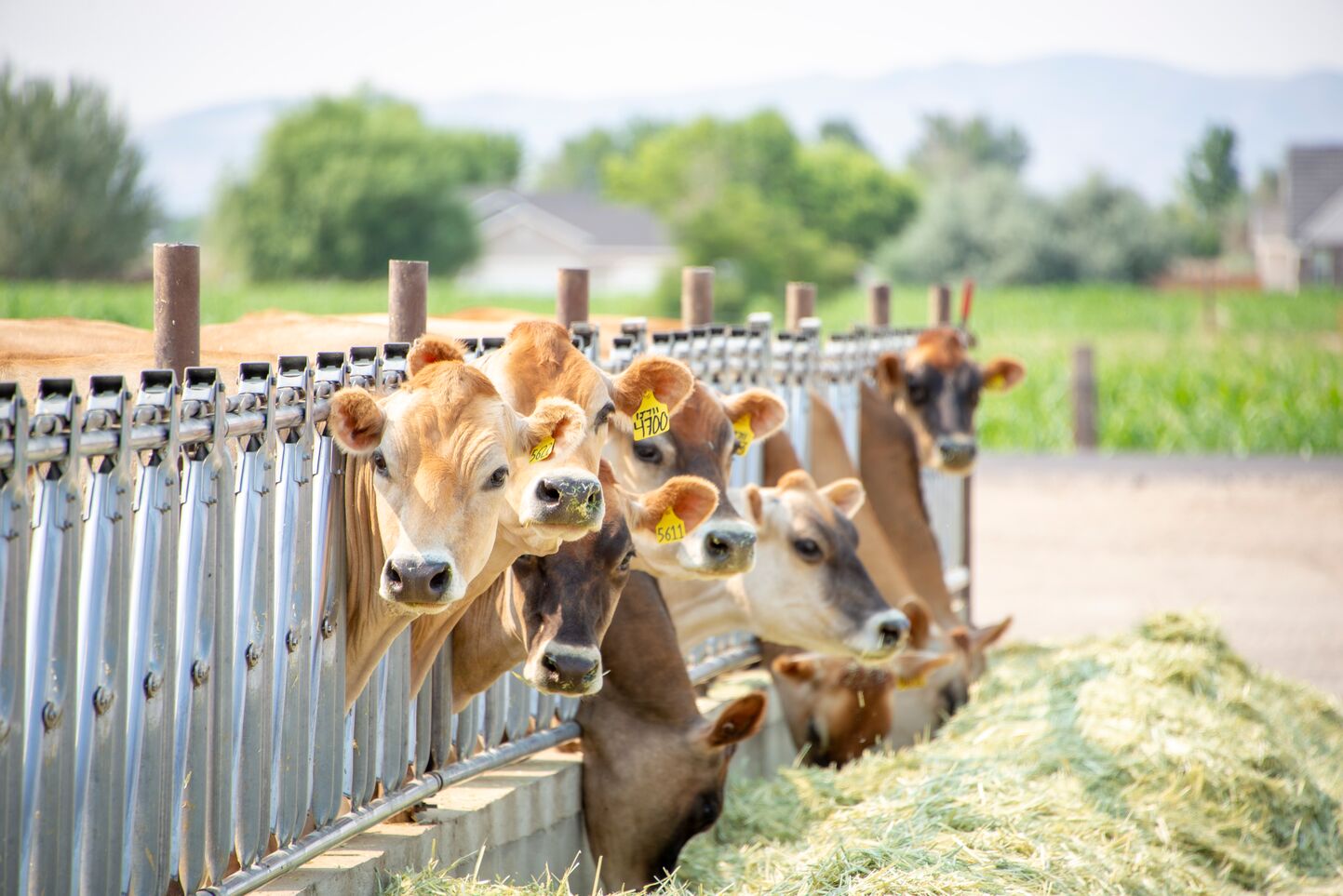
Environmental health (EH) deals with all the different ways the world around us can impact our physical and mental well-being. The Environmental Health Unit is focused on the intersect between zoonotic and environmental factors that affect human health. Environmental health includes air, land, water, food, animals, and people. Each of these areas is directly related to the other. The health of one affects the health of all and can impact how we eat, live, and grow.

Harmful algal blooms (HABs) form when naturally occurring blue-green algae multiply quickly and cause discoloration, scum, and mats on the water. Harmful algae can produce toxins that hurt people, animals, and the environment. This section provides information on HABs such as possible symptoms from exposure, tips on what HABs look like, how to report an exposure, and more.

Extreme heat kills more people in the United States each year than hurricanes, floods, and tornadoes. With climate change intensifying, heat-related illnesses are becoming a growing health concern in Nevada, especially in the summer. This page provides information on the types of heat-related illnesses, highlights those most at risk, and offers prevention tips to help Nevadans stay safe in hot weather.

One Health is the idea that the health of people is connected to the health of animals and our shared environment. Diseases can spread between animals and humans, and it is important we understand how to prevent the spread of disease to keep everyone, including animals healthy. Click below to visit our One Health website and learn more about zoonotic diseases.

Bed bugs are parasites that feed on humans, using their blood to grow and reproduce. This section provides quick facts of bed bugs, bed bug images, potential signs you have bed bugs, how to get rid of bed bugs and more.

Nevada is a great state for people who enjoy water recreation activities as it has many lakes, streams, reservoirs, hot springs, spas, swimming pools and water parks. However, it’s important to be aware of potential illnesses that can be spread through water recreation activities such as swimming, boating, diving, or rafting. Click below to learn how to stay safe in the water and to prevent illnesses.

Important tips on how to safely harvest an animal for in-state and out-of-state hunters.
To access information about a specific disease, please visit our A-Z disease list here.
Data
Nevada’s Authority for Epidemiology
Access up-to-date data on all active infectious diseases reported in Nevada
Respiratory Season Guidelines
Background Influenza, COVID‑19 (SARS‑CoV‑2), and Respiratory Syncytial Virus (RSV) will continue to co‑circulate during the 2025–26 respiratory season. Nevada’s statewide approach prioritizes rapid case ascertainment for severe outcomes or potential…
Proposed Changes to Nevada Administrative Code Chapters 441A (LCB File No. R174-24)
NOTICE IS HEREBY GIVEN that the Division of Public and Behavioral Health will hold a public workshop to consider amendments to Nevada Administrative Code (NAC Chapter 441A). The workshop will…
Infant Botulism Outbreak Linked to Infant Formula
The CDC is working with multiple partners including state public health departments, clinicians, laboratories, and the Food and Drug Administration (FDA) to investigate a multistate outbreak of infant botulism. At…
Pertussis in Nevada, Recommendations for Health Care Providers
Summary Thus far in 2025, health authorities in Nevada are observing upticks of pertussis activity in some parts of the state. Pertussis (also known as whooping cough) is a contagious…
Updates to NRS 442.010, Rapid Point-of-Care Syphilis Testing During Pregnancy
Summary Assembly Bill (AB) 360, introduced by Assemblymember Heather Goulding, was approved and signed by Governor Lombardo May 30, 2025, as part of the 83rd Nevada Legislative Session. The amendments…
Measles in the United States, Recommendations for Health Care Providers
Summary Measles (rubeola) activity in the United States is increasing with several outbreaks as well as several imported cases. On March 7, 2025, CDC released a Health Alert Network (HAN)…