



Program Overview
The main goal of the Office of State Epidemiology is to prevent and respond to a variety of public health issues through disease surveillance, standardized data collection, meaningful interpretation, statewide standards, and centralized guidance in order to improve health outcomes for our communities.

Chronic Health
To achieve health and wellness for Nevadans, by development and promotion of efforts in four directions to prevent chronic disease: surveillance systems, integration of primary prevention and health equity, evidence-based policies and strategies, and strong partnerships.

Communicable Disease
The Communicable Disease Epidemiology Unit is responsible for developing statewide disease investigation protocols and accompanying materials, collaborating with the Office of Analytics to maintain weekly surveillance of communicable disease trends within Nevada, and providing recommendations to reduce communicable disease transmission and associated negative outcomes.

Environmental Health
Environmental health (EH) deals with all the different ways the world around us can impact our physical and mental well-being. The Environmental Health Unit is focused on the intersect between zoonotic and environmental factors that affect human health.

Epidemiology & Laboratory Capacity
The Epidemiology and Laboratory Capacity for Prevention and Control of Emerging Infectious Disease (ELC) Program is a CDC funded program that provides financial support to the local jurisdictions throughout the state of Nevada to detect, prevent, and respond to emerging infectious disease.

Healthcare Associated Infection
A healthcare-associated infection (HAI) is an infection that develops during, or soon after, receiving healthcare services or being in a healthcare setting. These infections are considered a threat to patient safety, but HAIs can be prevented.

Informatics & Health Information Systems
Our Informatics and Health Information Systems program stands at the forefront of public health innovation, leveraging advanced technology to enhance surveillance, coordination, and response efforts.

Rare Disease
The State of Nevada, Rare Disease Program has established two systems of reporting for sickle cell disease (SCD) and lupus and their variants to conduct comprehensive epidemiologic surveys and to evaluate the appropriateness of measures for treatment of these conditions.

Sexually Transmitted Disease Surveillance
The Nevada STD Prevention and Control Program assists state, local and community efforts with interrupting the transmission of chlamydia, gonorrhea, syphilis and other STDs, and reducing the health burden and costs associated with these infections.

School & Childcare Guidance and Resources
This program aims to supply State-licensed facilities and pre-K-12 schools with infection prevention practices that best reflect the most recent, up-to-date standards for infection prevention and control.
Tuberculosis
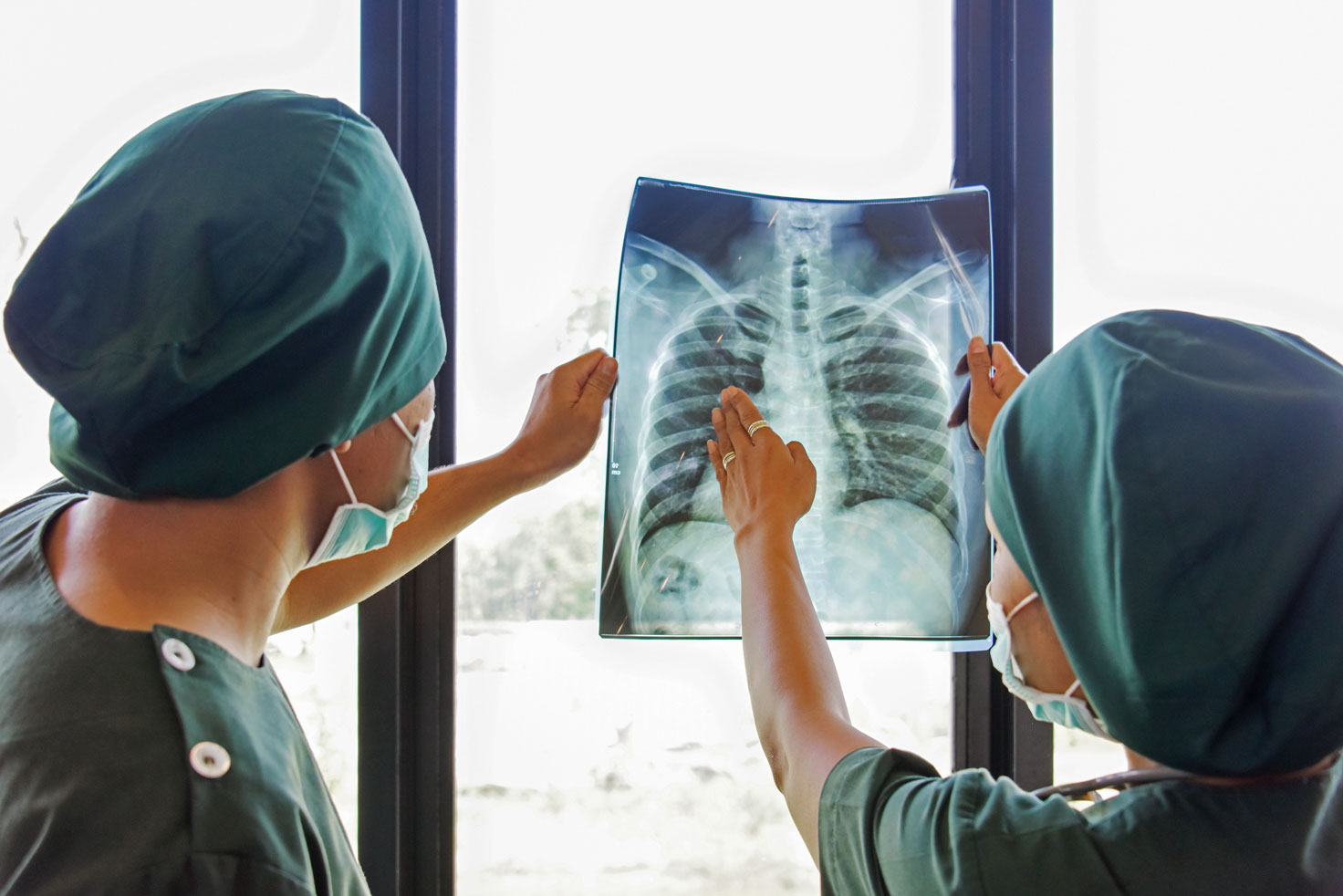
The Nevada Tuberculosis Prevention and Control Program assists state, local, and community efforts to decrease transmission of active tuberculosis (TB) and reduce the health burden associated with TB disease.

Vaccine-Preventable Diseases (VPDs) and Respiratory Diseases
The State of Nevada, Vaccine-Preventable Disease (VPD) and Respiratory Disease Program’s goal is to enhance outbreak surveillance by building upon established surveillance systems to provide more complete and representative data to inform new public health approaches and strengthen surveillance protocols for VPDs.
Viral Hepatitis Surveillance and Prevention
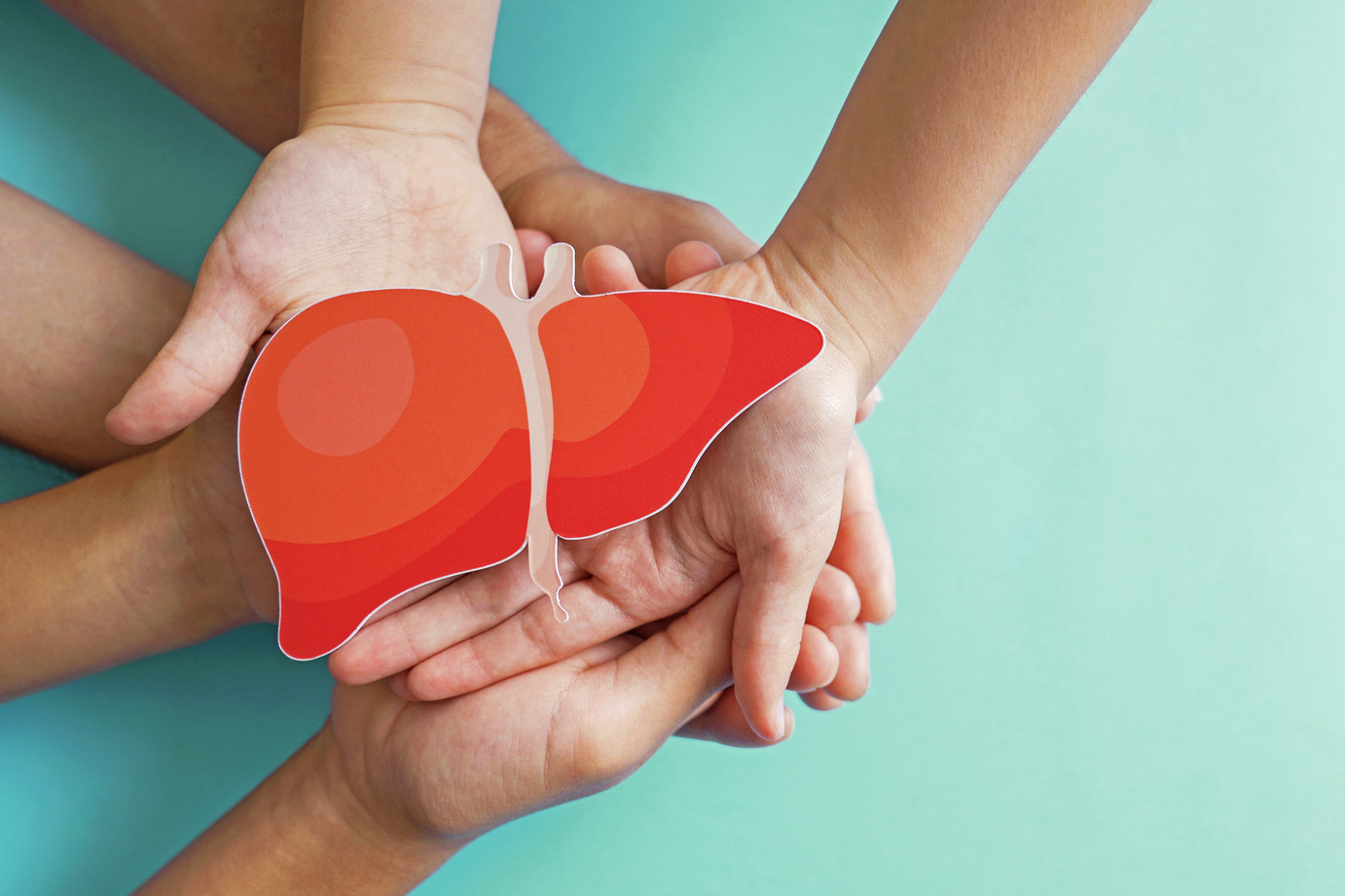
Primary activities of the Viral Hepatitis Surveillance and Prevention Program include development and implementation of a case management program to provide testing partner counseling and referral health education, patient assessment, assistance with insurance enrollment, facilitation of support groups, vaccination against HAV/HAB, and medical follow-up to specialty care, mental health services, substance abuse treatment, and hospice care and other health care services.