


Harmful Algal Bloom
Reports of HABs in Nevada
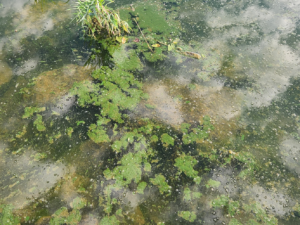
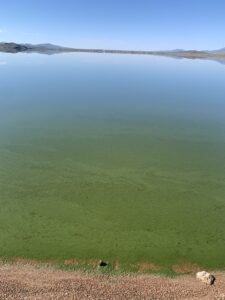
With warmer weather we may be seeing an increase of possible Harmful Algal Blooms (HABs). Harmful algae can produce toxins that hurt people, animals, and the environment. There are currently eleven active HABs in 2026 including one HAB that carried over from 2025 and one HAB from 2026 that is cleared and now inactive (see more information below).
2026
Active HAB Reports
Mountain View Pond, Gardnerville, NV
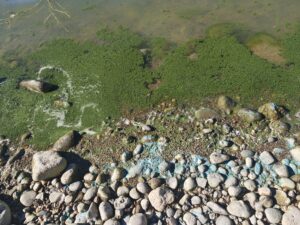
Mountain View Pond in Gardnerville, NV has been placed on a HAB Watch advisory as of 10/14/2026 following visual observation of a surface bloom. Hazardous conditions are possible or present. People and pets should use caution when in contact with water and avoid areas of algae accumulation.
Lahontan Reservoir
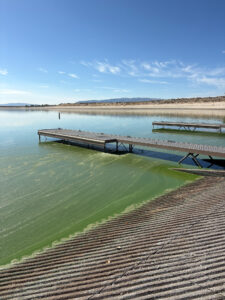
As of 9/9/2026 the HAB Danger advisory continues at Lahontan Reservoir. In addition, the Nevada Division of State Parks (NDSP) has prohibited swimming for visitors and pets at the Silver Springs side of the reservoir due to elevated toxin levels. Stay out of the water! For the NDSP press release, click here.
The HAB Watch advisory has been upgraded to a HAB Danger advisory effective 08/19/26 based on sample results. The conditions of the waterbody are extremely unsafe for human and animal exposure. Contact with water is strongly discouraged.
Rye Patch Reservoir
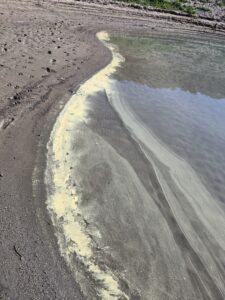
Rye Patch Reservoir has been downgraded to a HAB Watch advisory effective 09/30/2026 following visual observation. Hazardous conditions are possible or present. People and pets should use caution when in contact with water and avoid areas of algae accumulation.
Wild Horse Reservoir
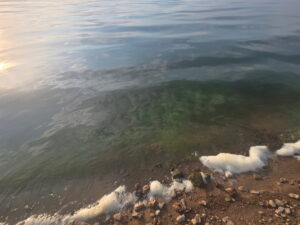
Wild Horse Reservoir has been placed on a HAB Watch advisory as of 8/13/2026 following visual observation. Hazardous conditions are possible or present. People and pets should use caution when in contact with water and avoid areas of algae accumulation.
Virginia Lake
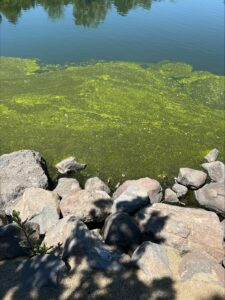
Virginia Lake has been placed on a HAB Watch advisory as of 6/23/2026 following visual observation and satellite imaging of a surface bloom. Hazardous conditions are possible or present. People and pets should use caution when in contact with water and avoid areas of algae accumulation.
South Meadows Community Pond
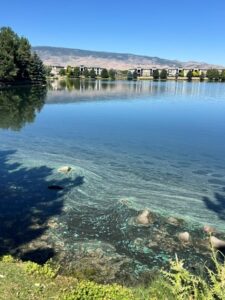
South Meadows Community Pond has been placed on a HAB Watch advisory as of 6/23/2026 following visual observation. People and pets should avoid contact with the water. This suspected HAB is located in a pond on private property (with general public access) so will not be found on the State OSE-HAB dashboard.
Marlette Lake
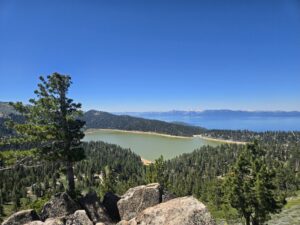
Marlette Lake has been placed on a HAB Watch advisory as of 6/17/2026 following visual observation and satellite imaging of a surface bloom. Hazardous conditions are possible or present. People and pets should use caution when in contact with water and avoid areas of algae accumulation.
Lake Mohave including Placer Cove and Eagle Wash
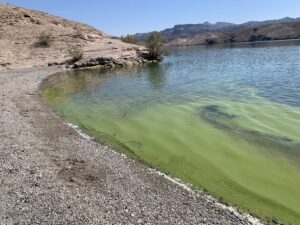
Lake Mohave has been placed on a HAB Watch advisory as of 6/11/2026 following visual observation and satellite imaging of a surface bloom. Hazardous conditions are possible or present. People and pets should use caution when in contact with water and avoid areas of algae accumulation.
Eagle Wash and Placer Cove have been downgraded to a HAB Watch advisory effective 09/09/2026 following visual observation. Hazardous conditions are possible or present. People and pets should use caution when in contact with water and avoid areas of algae accumulation.
Walker Lake
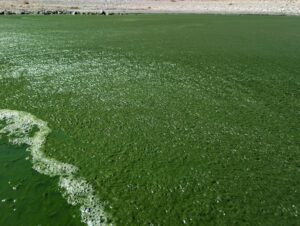
On 5/19/26 the Walker Lake HAB advisory level has been lowered from a HAB Warning to a HAB Watch based on the most current data and observations collected by NDEP. Hazardous conditions are possible or present. People and pets should use caution when in contact with water and avoid areas of algae accumulation.
Tips and Information about HABs
Signs that there may be an HAB in the water:
- The water smells rotten
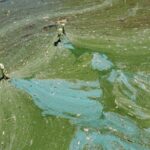
- The water looks like paint
- Large mats or scums are floating on surface
- There are bright colors like blue, green, white, brown or red
The Nevada Division of Public and Behavioral Health (DPBH) is working with Nevada Division of Environmental Protection, Nevada State Parks and the Nevada Department of Wildlife to ensure the health and safety of Nevadans and their pets who may visit locations where a Harmful Algal Bloom (HAB) has occurred.
If a HAB is suspected, individuals should take the following precautions:
- Do not allow pets to play in or drink water during a bloom
- Do not swim or play in water with a bloom
- Do not drink, cook with or wash dishes with affected water
People exposed through direct skin contact, ingestion or inhalation may experience irritation of the skin, eyes, nose, throat, and/or respiratory tract. Symptoms to look for include:
- Rashes, hives, or blisters
- Runny nose, sore throat, asthma, or allergic-like reactions
People exposed through ingesting cyanotoxins may experience:
- Abdominal pain
- Headache
- Neurological symptoms
- Vomiting
- Diarrhea
- Liver damage and/or kidney damage
For more information and tips about HABs visit Environmental Health | The Office of State Epidemiology. Individuals who believe they may be experiencing symptoms of exposure to algal toxins should contact their local health care provider or contact the Poison Control Center: 1-800-222-1222.
Dashboard
To keep current with advisory recommendations, click here to access our dashboard
Previous HAB Reports
2026
There have been twelve reports of HABs in 2026. Below are the inactive HABS of 2026..
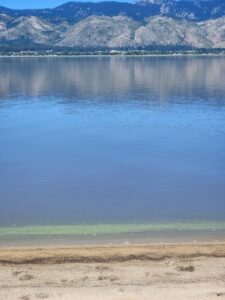
Washoe Lake (Big)
2025
There were fifteen reports of HABs in 2025.
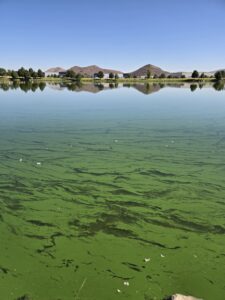
South Meadows Community Pond
Stillwater National Wildlife Refuge
Lahontan Reservoir
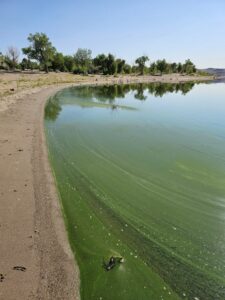
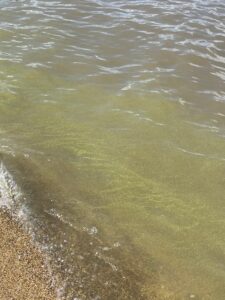
Washoe Lake (Big)
Baily Pond
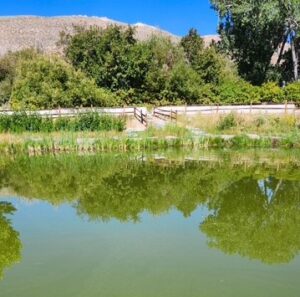
Chimney Reservoir
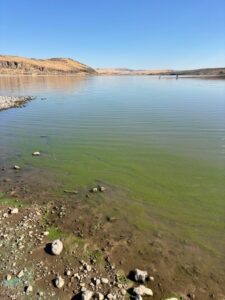
Wild Horse Reservoir
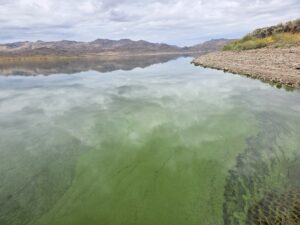
Rye Patch Reservoir
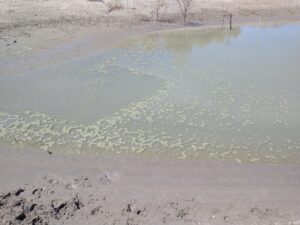
Echo Canyon Reservoir
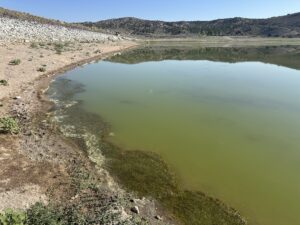
Eagle Valley Reservoir
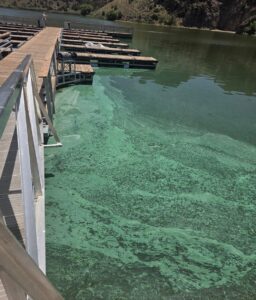
Lake Mohave- Placer Cove, Eagle Wash Cove, and Cottonwood Cove

Walker Lake
2024
There were sixteen reports of HABs the summer/fall of 2024.
Virginia Lake
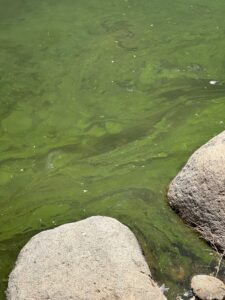
Eagle Valley Reservoir
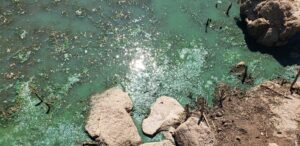
Wild Horse Reservoir
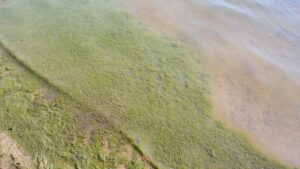
South Fork Reservoir
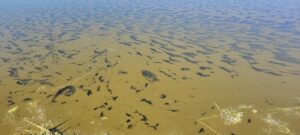
Big and Little Washoe Lakes
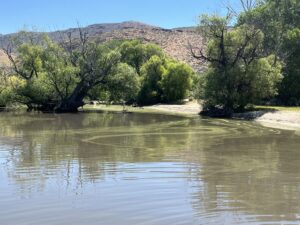
Weber Reservoir
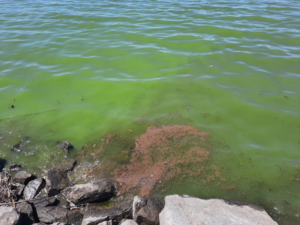
Stillwater National Wildlife Refuge
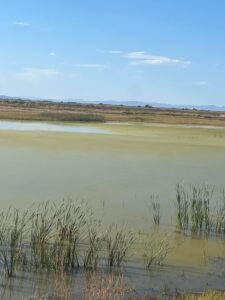
Lahontan Reservoir
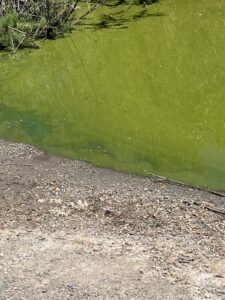
Lake Mohave – Eagle Wash Cove, Placer Cove, and Morning Star Cove
Chimney Reservoir
Nevada Beach Pond
Sheep Creek Reservoir
Lake Mohave – Eagle Wash Cove, Placer Cove, and Morning Star Cove
2023
There were four reports of HABs the summer of 2023.
Washoe Lake
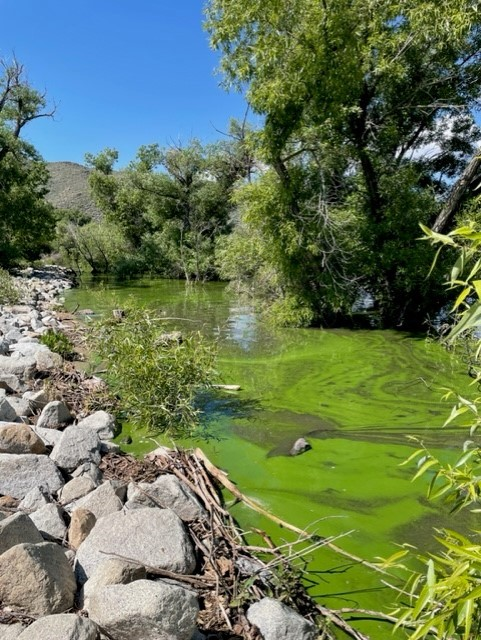
Lahontan Reservoir
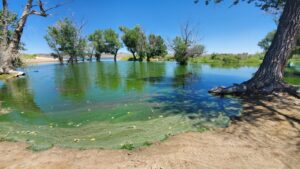
Wild Horse Reservoir
South Fork Reservoir