




Hantavirus in Nevada
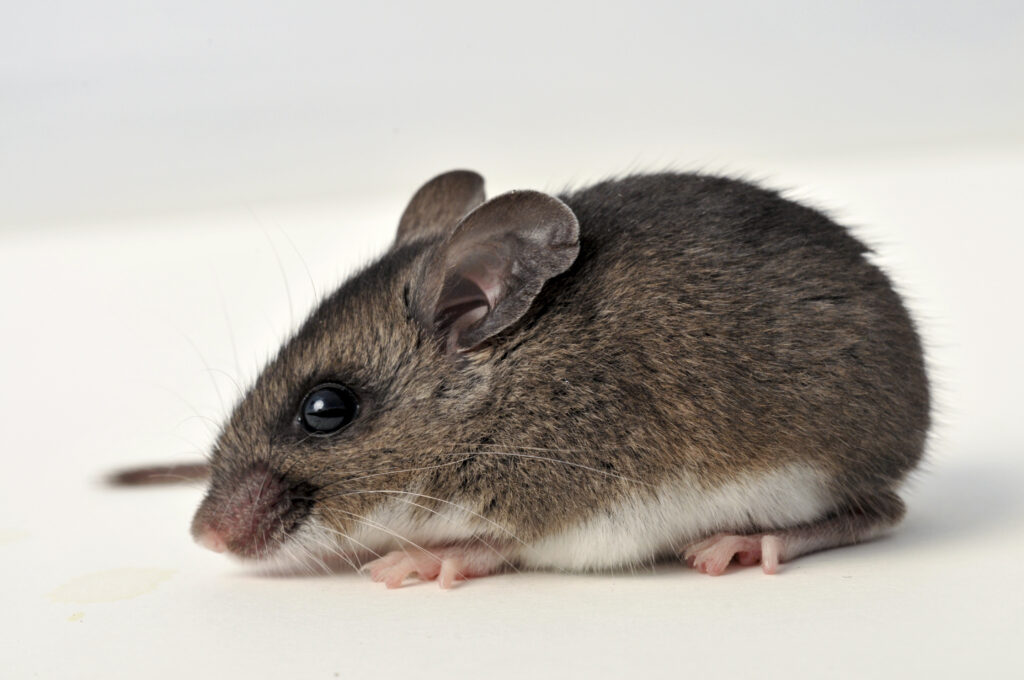
As news and information is developing regarding the Hantavirus outbreak related to the M/V Hondius cruise ship, it is important to provide information about the differences between the virus identified on the ship and the virus found in Nevada.
Hantaviruses are a group of viruses that can cause severe respiratory disease. The Andes virus is the specific type of hantavirus that was confirmed from passengers on the M/V Hondius cruise ship. The Andes virus is a unique hantavirus because it can be transmitted from rodent to human and is also possible to transmit from infected person to person. However, this is NOT the type of hantavirus typically found in Nevada or the United States. Sin Nombre virus (SNV) is the primary hantavirus found in Nevada and other states in the United States which causes Hantavirus Pulmonary syndrome (HPS). This virus is only transmitted from infected rodents, their droppings and nesting materials to humans and cannot be transmitted from person to person.
For more information about the Andes virus outbreak from the cruise ship, click here.
Hantavirus Pulmonary Syndrome (HPS)
What is HPS?
HPS is a severe, sometimes fatal, respiratory disease in humans caused by infection with hantaviruses. Anyone who comes in contact with hantaviruses are at risk of developing HPS. Rodent infestation in and around the home remains the primary risk for hantavirus exposure in Nevada. Even healthy individuals are at risk for HPS infection if exposed to the virus.
How does Hantavirus spread?
In Nevada, deer mice are the reservoirs of hantavirus (meaning the virus usually lives in deer mice). The rodents shed the virus in their urine, droppings, and saliva. The virus is mainly transmitted to people when they breathe in air contaminated with the virus. When fresh rodent urine, droppings, or nesting materials are stirred up, tiny droplets containing the virus get into the air. This process is known as “airborne transmission”, which is the most common route of hantavirus transmission.
There are several other ways rodents may spread hantavirus to people:
- If a rodent with the virus bites someone, the virus may be spread to that person, but this type of transmission is rare.
- Scientists believe that people may be able to get the virus if they touch something that has been contaminated with rodent urine, droppings, or saliva, and then touch their nose or mouth.
- People can also become infected through direct contact with the bodily fluids or tissues of infected rodents, particularly if there are cuts or breaks in the skin. This can happen when handling live or dead rodents or when cleaning up rodent nests or droppings without proper protective gear.
- Scientists also suspect people can become sick if they eat food contaminated by urine, droppings, or saliva from an infected rodent.
The hantaviruses that cause human illness in the United States cannot be transmitted from one person to another. For example, you cannot get these viruses from touching or kissing a person who has HPS or from a health care worker who has treated someone with the disease.
What are symptoms of HPS?
HPS is the more severe form of hantavirus infection. Symptoms often progress rapidly and can include:
- Fever: The infection typically starts with a high fever.
- Muscle pain and fatigue: Muscle pain and fatigue are common early symptoms.
- Gastrointestinal Symptoms: Some people may experience nausea, vomiting, abdominal pain, and diarrhea.
- Respiratory Symptoms: As the disease progresses, respiratory symptoms develop and can include a dry cough and shortness of breath.
- Severe Breathing Difficulties: In advanced cases, severe respiratory distress can occur, often requiring hospitalization and mechanical ventilation.
- Fluid Accumulation in lungs: HPS can lead to fluid buildup in the lungs, making breathing very difficult.
If you have been exposed to rodents or rodent droppings/nesting materials and develop any of these symptoms, see your doctor right away and tell them you may have been exposed to rodents.
What activities put you at increased risk for Hantavirus?
- Opening and Cleaning Previously Unused Buildings
- Opening or cleaning cabins, sheds, and outbuildings, including barns, garages and storage facilities, that have been closed during the winter or for an extended period of time is a potential risk for hantavirus infections, especially in rural settings.
- Cleaning Activities
- Cleaning in and around your own home can put you at risk if rodents have made it their home too. Many homes can expect to shelter rodents, especially as the weather turns cold. This includes garages, RVs/trailers and vehicles as rodents will nest in warm areas like engines. Make sure to check engines, vehicle/RV/Trailer interiors and compartments for evidence of rodent droppings and/or nesting materials. Please see our prevention information on how to properly clean rodent-infested areas.
- Work-related Exposure
- Construction, utility and pest control workers can be exposed when they work in crawl spaces, under houses, or in vacant buildings that may have a rodent population.
- Campers and Hikers
- Campers and hikers can also be exposed when they use infested trail shelters or camp in other rodent habitats. The chance of being exposed to hantavirus is greatest when people work, play, or live in closed spaces where rodents are actively living. However, recent research results show that many people who have become ill with HPS were infected with the disease after continued contact with rodents and/or their droppings. In addition, many people who have contracted HPS reported that they had not seen rodents or their droppings before becoming ill. Therefore, if you live in an area where the carrier rodents, such as the deer mouse, are known to live, take sensible precautions-even if you do not see rodents or their droppings.
What can you do to prevent HPS or Hantavirus?
Avoid Contact: Don’t touch live or dead rodents with your bare hands. Use gloves and take proper precautions to avoid direct contact with rodents or their fluids.
Rodent Control: Take steps to prevent rodent infestation in and around your home, such as sealing entry points and using traps and baits.
Proper Cleaning: When cleaning up areas with rodent droppings or nests, follow safe cleaning procedures. Spray the area with a disinfectant, avoid creating dust, and use masks, and disposable gloves.
Ventilation: When entering enclosed spaces that may have rodent infestations, ventilate the area before cleaning or occupying the area to reduce the concentration of potentially contaminated particles.
Precautions while working, camping or hiking outdoors:
- Stay away from rodents and avoid disturbing their nesting areas or burrows.
- Maintain your outdoor gear (including tents, netting, sleeping bags, etc.) in good condition. Repair or replace any damaged items.
- Avoid sleeping directly on bare ground. Use tents with floors or ground cloth.
- Do not set up tents or place sleeping bags near rodent droppings.
- Do not sleep in cabins that are currently infested with rodents or have recently been infested.
- Store food in containers that rodents cannot access and avoid drinking surface water that has not been treated.
- Follow site restrictions for handling trash and store it in rodent-proof containers until disposal.
Prevent Rodent Infestations in your home or building:
To prevent rodents from entering a home or building, create an environment that doesn’t attract them:
- Identify all potential rodent entry points. Seal holes both inside and outside the home to keep rodents out. For example, patching holes in interior or exterior walls.
- Eliminate potential nesting sites in your home or building by removing leaf piles, deep mulch and keeping lawn mowed.
- Eliminate food and water sources in and around your house:
- Keep your kitchen clean.
- Store kitchen garbage in containers with tight-fitting lids.
- Turn compost piles to cover newly added food scraps.
- Do not allow pet or animal food to sit out.
- Fix all leaky faucets that might provide water to rodents.
How to Clean Up After Rodents
Prepare to clean up after rodents
It is important to take proper precautions when cleaning to reduce your risk of getting sick. Before you start cleaning, prepare by gathering the proper equipment.
Prepare your disinfectant:
- EPA-registered disinfecting products are recommended, confirm the word “Disinfectant” is included on the label.
- Or you can use a bleach solution made with 1.5 cups of household bleach in 1 gallon of water (make bleach solution fresh before use).
- Wear rubber or plastic gloves and a face mask.
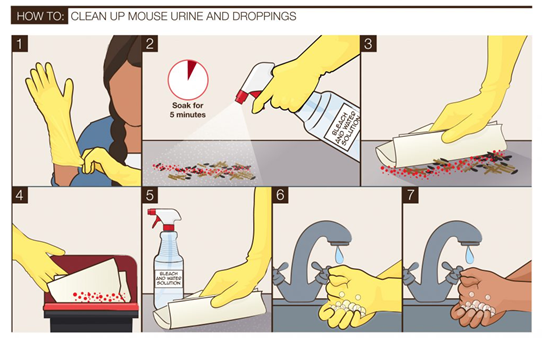
Clean up Rodent Urine and Droppings
Step 1: Wear rubber or plastic gloves and a face mask.
Step 2: Spray urine and droppings with bleach solution or an EPA-registered disinfectant until very wet. Let it soak for 5 minutes or according to instructions on the disinfectant label.
Step 3: Use paper towels to wipe up the urine or droppings and cleaning product.
Step 4: Dispose the paper towels in a covered garbage can that is regularly emptied.
Step 5: Mop the area with a disinfectant.
Step 6: Wash gloved hands with soap and water or a disinfectant before removing gloves.
Step 7: Properly wash hands with soap and warm water after removing gloves and dry with disposable paper towels.
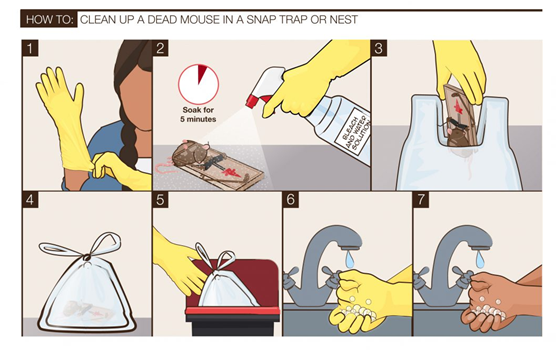
How to Clean up a Dead Mouse
Step 1: Wear rubber or plastic gloves and a face mask.
Step 2: Spray the dead rodent, nest, and surrounding area with an EPA-registered disinfectant. Let it soak for 5 minutes or according to instructions on the disinfectant label.
Step 3: Place the dead rodent or nesting materials in a plastic bag along with any used traps.
Step 4: Tie the end of the plastic bag together in a knot to seal the bag. Place the full bag in a second plastic bag and seal that bag by tying the ends together in a knot.
Step 5: Throw the bag into a covered garbage can that is regularly emptied.
Steo 6: Wash gloved hands with soap and water or a disinfectant before removing gloves.
Step 7: Properly wash hands with soap and warm water after removing gloves and dry with disposable paper towels.
Cleaning and disinfecting different surfaces
Porous and non-hard surfaces require different methods of cleaning and disinfecting. Follow these steps after rodent urine and droppings have been sanitized.
Clothing, bedding, and stuffed animals: Wash potentially contaminated bedding, clothing and stuffed animals with hot water and detergent. Machine dry on high setting or hang to air dry in the sun.
Carpets and upholstery: Shampoo rugs and upholstered furniture with a commercial disinfectant or with a commercial-grade steam cleaner or shampoo.
Books, papers, and other non-washable items: Leave books, papers, and items that cannot be cleaned with a liquid disinfectant outdoors in the sunlight for several hours, or in an indoor area free of rodents for a minimum of three weeks (a longer period of six weeks is strongly suggested).
Resources